Erosion & Sediment Control Insights
54 articles on ESC planning, best management practices, regulations, and protecting Alberta job sites.

Benefits of Hydroseeding for Proper Erosion Control
Proper erosion control for land that is relatively level is difficult enough for those engaged in making considerable changes to the landscape, such as construction projects. The difficulty is raised for land that con...
Proper Site Assessment for Erosion and Sediment Control
When a property is designated to be the site of construction, the first step is a preliminary assessment to evaluate the erosion potential of the area. This means for erosion and sediment control purposes, the site mu...

Overview of Best Management Practices
Starting a construction project means completing a considerable amount of paperwork, getting the right equipment and supplies, and hiring the crew that will build the structure. In addition, to minimize the environmen...
Storm Water Management and Why It’s Important
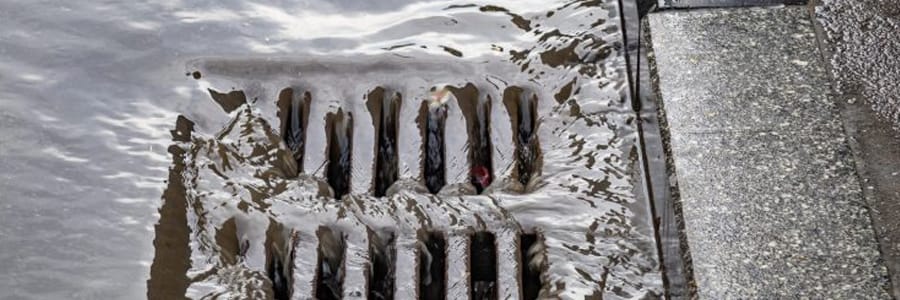
Stormwater management is the process of controlling how stormwater runoff is collected and treated. Stormwater runoff is water that accumulates on the ground during a rainstorm or snowmelt event. In developed areas, m...

Ways to Control Sediment on Your Construction Sites
Controlling sediment and erosion on construction sites is important for a variety of reasons. Not only does it protect the surrounding environment, but it also helps to ensure the safety of workers and minimize costly...
Soil Types in the Calgary Area
Soil in the Calgary area may be defined in a broad sense as either organic or mineral. Black Chernozemic is the dominant type of organic soil found in and around Calgary. This soil is most associated with grasslands....
Assessing Soil Erosion Potential
Water runoff can cause soil to erode and wash away. While erosion is a natural process, when it occurs on land that is occupied by humans it can become problematic. The urbanization of the landscape, particularly the...
Why You Need ESC for Your Calgary Project
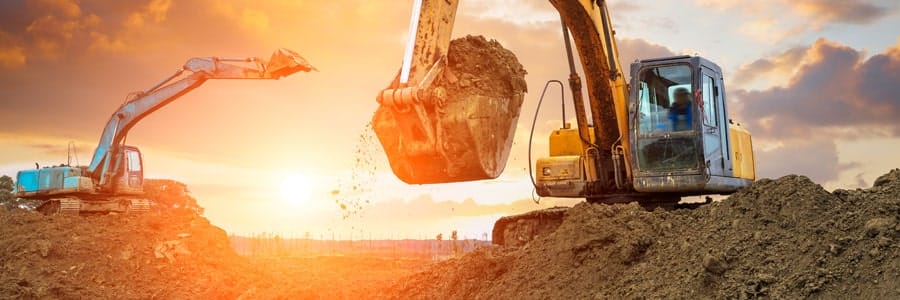
Whether you are building a house, complex, road, or any structure that requires the removal of topsoil and vegetation, you will need the Erosion Sediment Control or ESC design in place. Removing topsoil exposes the vu...
Types of Runoff-Induced Erosion
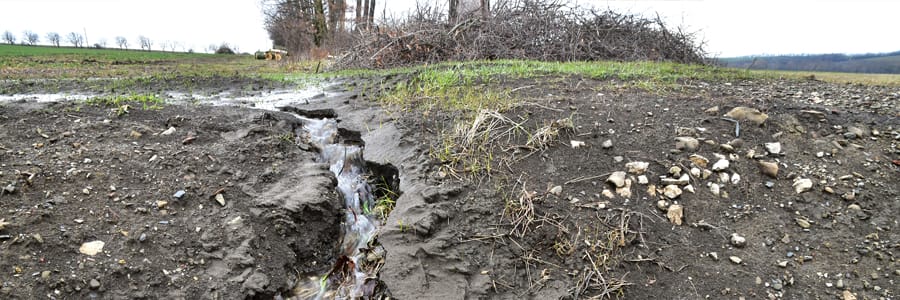
The goal is to limit soil erosion during the site development process. This means limiting soil loss to 2 tonnes per hectare per year or less.
Ways to Control Sediment on Your Construction Sites
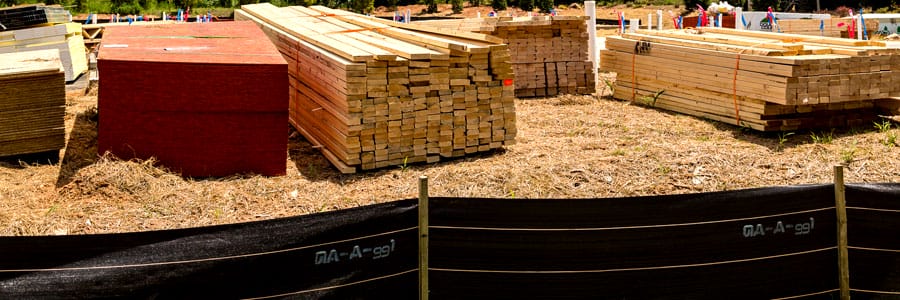
The removal of soil and addition of hardened surfaces such as those found at construction sites means that if left unchecked, there will be significant erosion and sediment issues. A proper ESC design and ECO plan wil...
Effective Ways to Control Erosion
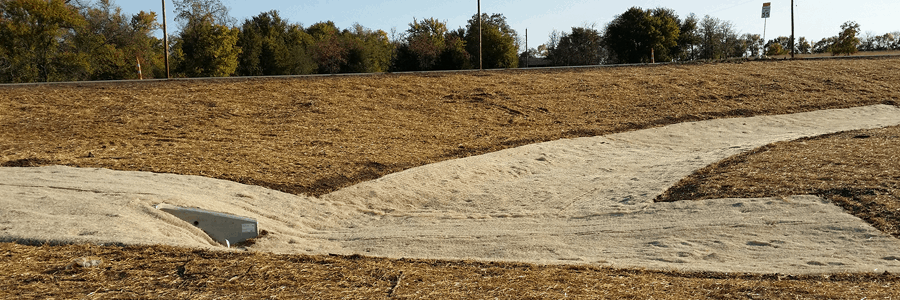
There are several effective erosion control methods that you can use to preserve the soil around your construction site or any location where erosion has become an issue. Effective erosion control and sediment control...

How Effective Erosion Control Protects the Environment and Avoids Fines
If you run a construction company that works in the greater Calgary area, you may be wondering if putting in erosion control and sediment control efforts to protect the environment are worth the costs? Aside from the...

City of Calgary Requirements for Creating an ESC Plan
A proper Erosion and Sediment Control (ESC) plan starts with applying the appropriate principles to the area that will be affected. This means for those who plan to such work in the greater Calgary area, they must fol...
ESC Design Considerations for Small Sites
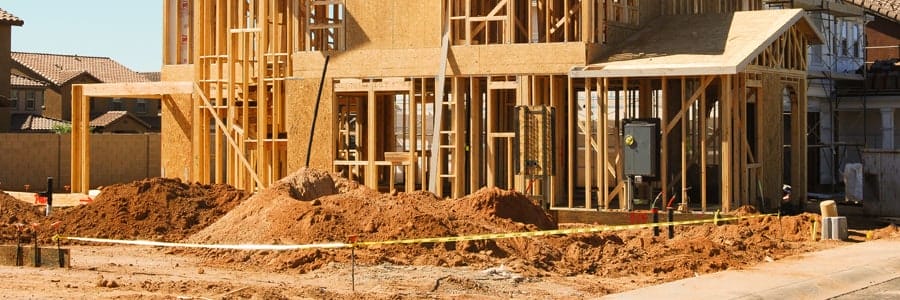
There are differences between ESC design considerations for large and small sites. A small site is one that is less than a single acre and typically includes duplex and single-family homes along with industrial, comme...
ESC Implementation, Inspection, and Maintenance
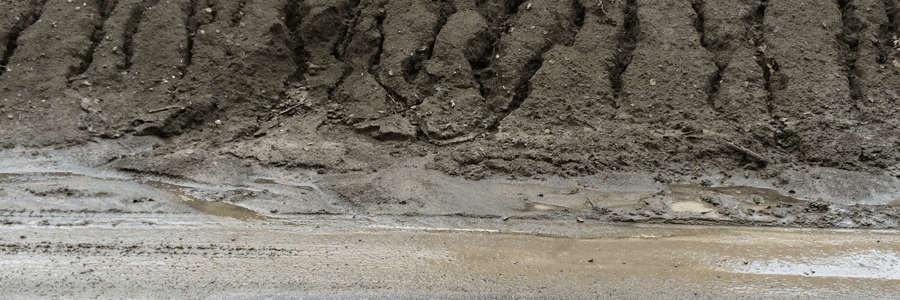
t requires good communication to implement the proper erosion and sediment control practices that are required by the city of Calgary. For the project manager or owner, it is imperative that you understand the local o...

#1 BMP Series: Construction Scheduling & Phasing
The better you plan your scheduling in terms of construction, the better you can control the erosive elements of wind, water, run-off, and the tracking of vehicles. The schedule for construction should be a written pl...
#2 BMP Series: Preserving Existing Vegetation
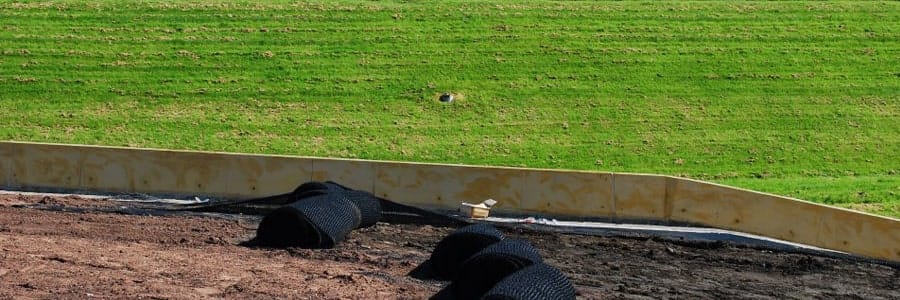
When you consider that the natural vegetation that covers the site where construction is to commence is 98% more effective compared to stripping away the vegetation, you can see why keeping the current vegetation in p...
#3 BMP Series: Surface Grading, Roughening, and Slope Texturing
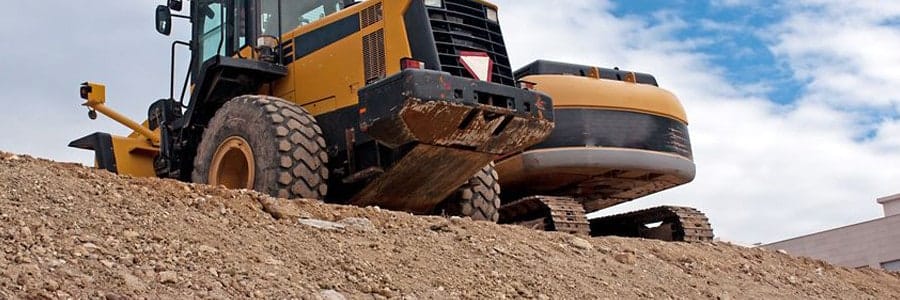
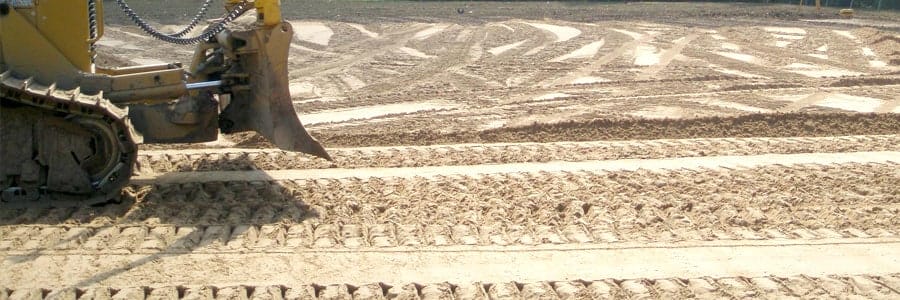
The grading and roughening of surfaces by creating grooves, furrows, benches, or tracks in the soil helps to redirect waterflow and reduce the movement of sheet run-off on otherwise exposed areas. The same is true for...
#4 BMP Series: Topsoil Salvage and Placement
This is the preservation of the existing vegetation and topsoil of a site. The topsoil is considered the surface horizon of the profile of the soil, which means it’s darker because of the additional organic matter pre...

#5 BMP Series: Stabilized Construction Entrance and Exit
To reduce the amount of erosion and sediment buildup at entrance and exit sites of construction areas, proper procedures must be put into place. This is because vehicular traffic, particularly heavy construction vehic...
#6 BMP Series: Temporary Berms and Channels for Run-Off Diversion or Storage
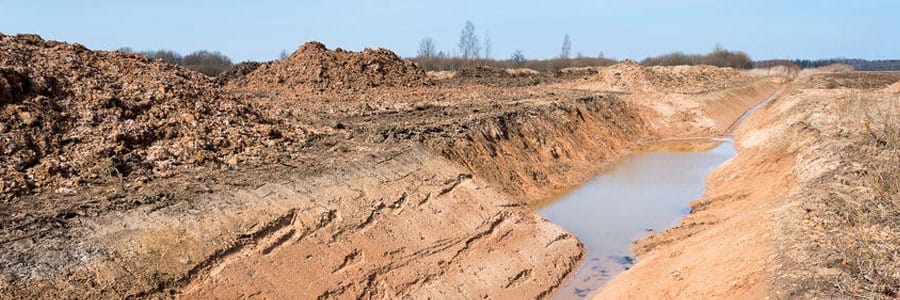
Temporary Diversion Berm: This is a temporary ridge built to divert runoff or store it, so it does not reach exposed slopes or bodies of water.Continuous Berm: A barrier of sediment encased by a geosynthetic fabric to...
#7 BMP Series: Grassed/Vegetated Channels
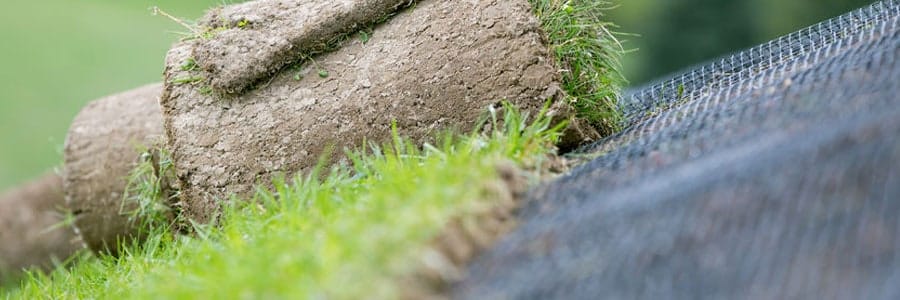
You can use vegetation to line constructed or natural channels to prevent erosion from occurring. Vegetation slows down water runoff which means less erosion on the soil. Vegetation works best in low-velocity runoff a...
#8 BMP Series: Riprap-Lined Channels
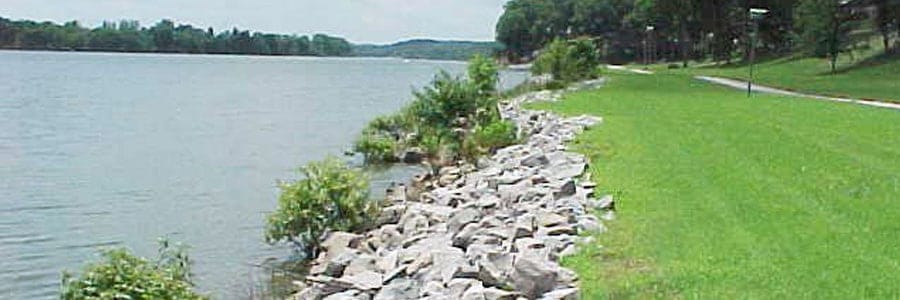
Using riprap, which is rock that is angular and irregularly-shaped to line channels can prevent erosion by runoff. The same is true for hard-armour type of product. Implementation After you build the channel first, ex...

#9 BMP Series: Temporary Slope Drains
Between the time they are graded and permanently stabilized, constructed slopes are vulnerable to erosion. A fill slope or un-stabilized cut may be required to carry the runoff down the slope to prevent erosion from t...
#10 BMP Series: Energy Dissipaters
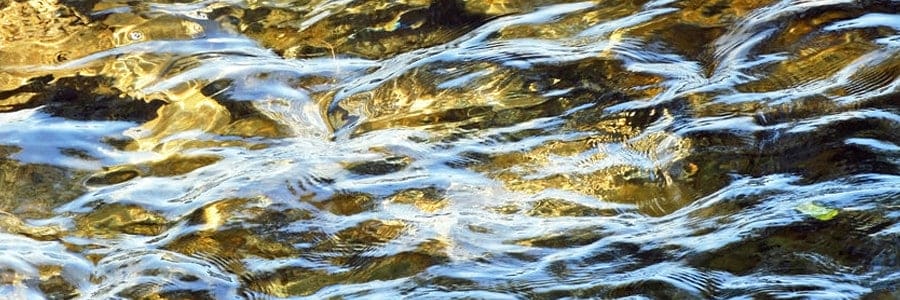
An energy dissipator is a structure placed in channels and pipe outlets that help reduce the velocity and energy of flowing water. By reducing its speed, energy dissipators also reduce erosion and the scour potential...
#11 BMP Series: Check Dams
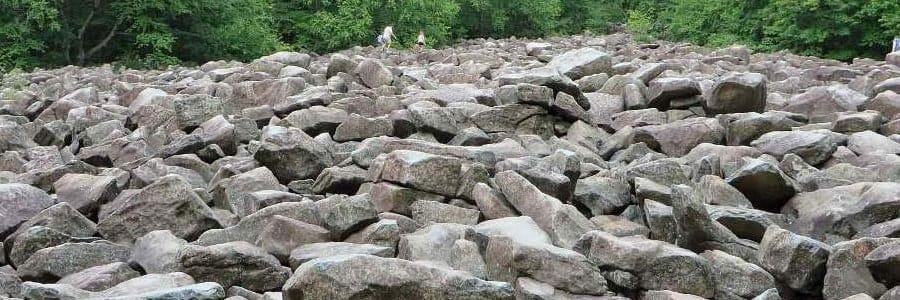
Proper check dams prevent erosion by slowing down the runoff of water in a channel. This is not sediment control, but when properly maintained can temporarily detain runoff and help settle coarse sediment. Sandbags Co...

#12 BMP Series: Seeding the Sod
Proper soil stabilization after construction requires that grass seed be used to regrow the area back to its natural state. To ensure that the seeds take hold, proper soil stabilization must take place. Soil that has...
#13 BMP Series: Mulching
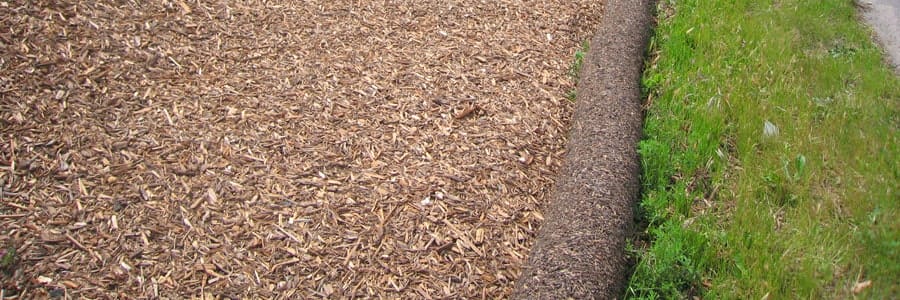
On construction sites, one of the most important methods to assist in the restoration of grass in the area is proper mulching. Mulching is one of the oldest and most effective means of providing the soil and grass see...
#14 BMP Series: Hydromulching & Hydroseeding
Effective hydromulching and hydroseeding are important methods used to help restore the natural state of the land that has been compromised due to construction. The heavy traffic combined with the tearing up of the so...
#15 BMP Series: Rolled Erosion Control Products
Using rolled erosion control products (RECP) helps keep the soil and seeds protected from the elements and other dangers that might remove them from the land. Such products when used properly are relatively inexpensiv...

#16 BMP Series: Compost Blankets
Compost blankets are one of the most common means to secure the compost to the soil. The blankets are designed to be tough, durable, and easy to use. When properly employed, they can keep the compost in place and prov...
#17 BMP Series: Straw/Fibre Wattles
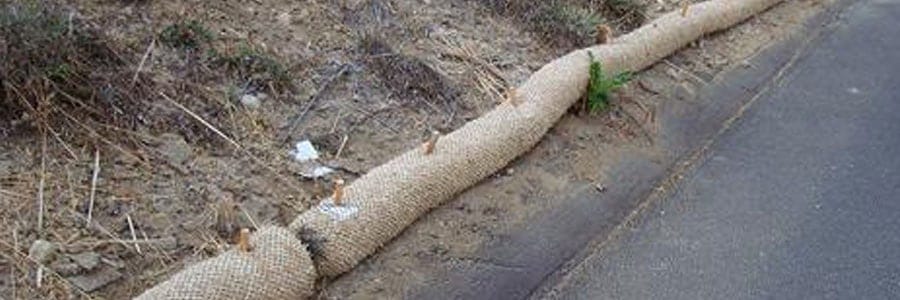
Also called rolls, straw/fibre wattles are made with bundled straw or other fibre of natural origin and wrapped in an open-weave plastic netting that is photo-degradable. Using wooden or live willow stakes, they are p...
#18 BMP Series: Aggregate Cover
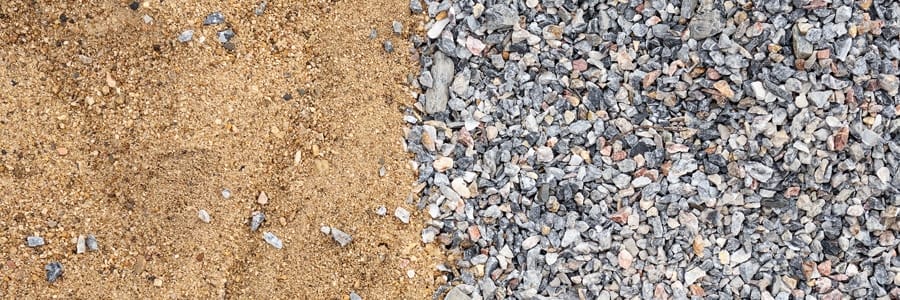
Aggregate cover is a layer of gravel or crushed stone that is placed atop the erodible surface of the soil. The purpose is to reduce erosion to the soil or to remediate the loss of soil caused by exposed slopes that a...
#19 BMP Series: Riprap
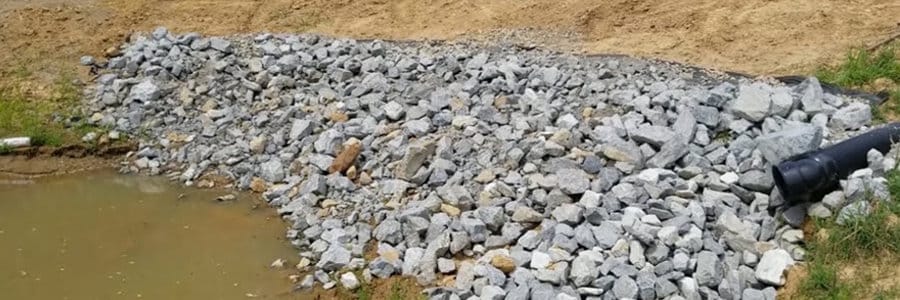
Consisting of loosely placed cobbles or boulders, riprap is an excellent, versatile material that is resistant to erosion. The purpose of riprap is to protect the surface of the soil from the erosive elements of sun,...
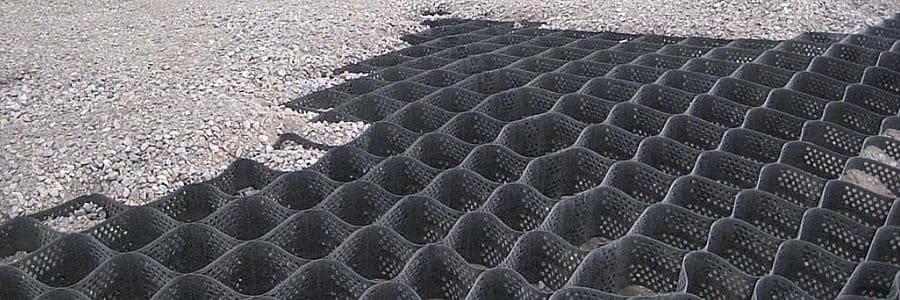
#20 BMP Series: Cellular Confinement Systems
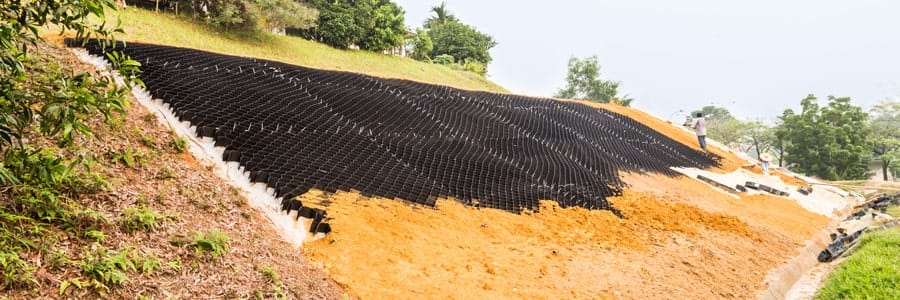
Known as CCS, cellular confinement systems are honeycomb structures that retain soil. They are used to mechanically stabilize fill soils to provide protection for slopes and channels along with load support and soil r...
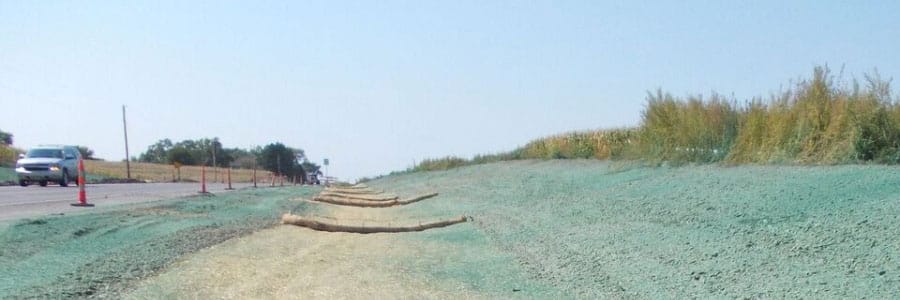
#21 BMP Series: Live Staking, Brush Layering, and Fascines
Proper biotechnical stabilization of the soil is made from woody plantings and material that has developed a heavy, deep matrix of roots into the soil. This increases the strength of the soil subsurface and stabilizes...
#22 BMP Series: Construction Site Dewatering
A dewatering site is when impounded water is discharged from a parcel into a city storm sewer. Or when the water is discharged where it will eventually enter a city storm sewer will require obtaining a permit from the...
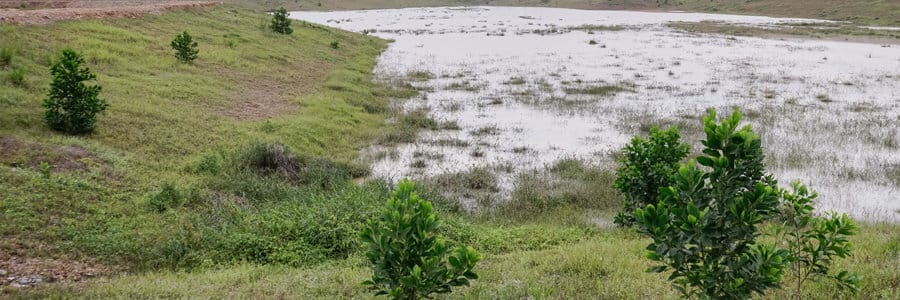
#23 BMP Series: Sediment Traps & Basins
As part of your construction site, you will need to build traps and basins for sediments that have been created as part of the construction process. Such sediments need to be controlled so they do not become part of t...
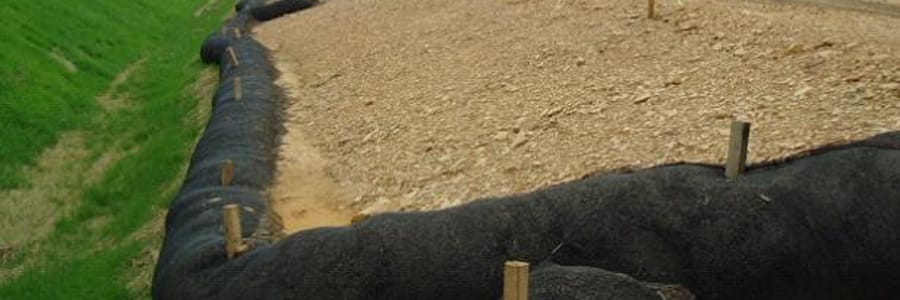
#24 BMP series: Compost Berm & Socks
You must allow for sufficient space for the water to pond behind the berm or sock which traps it in place, so that it limits the amount of erosion that may occur. This means that a berm or sock must be created on a co...
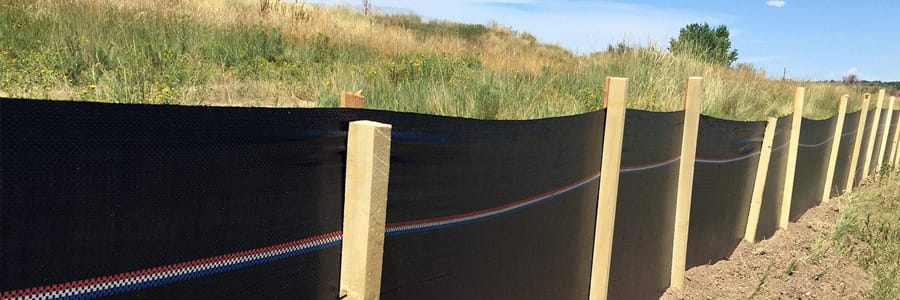
#25 BMP series: Silt Fence
A silt fence needs to be installed on a contour to control sediments that may be carried away by run-off due to a rain or other event. When placed on a contour, they need to be shaped into a j-hook or “smile” configur...

#26 BMP series: Storm Drain Inlet Control
The storm drain inlet must provide control for water run-off and the sediment it carries from the source. It can be easy to over-rely on a storm drain inlet. This means that adequate inspection and repair must take pl...
#27 BMP series: Flocculants & Coagulants
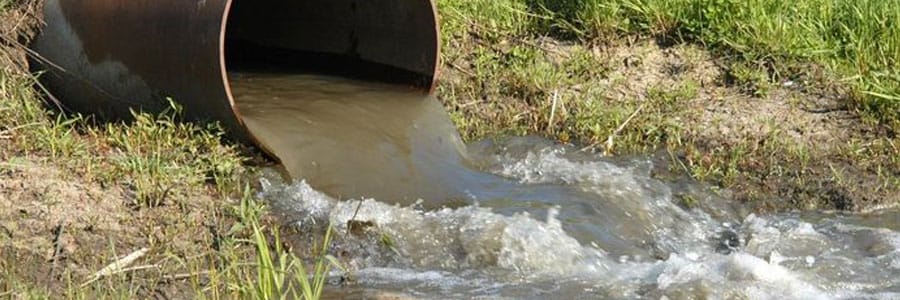
Flocculants and coagulants are popular products to use in soils. However, there are restrictions to their use. This means to apply them to the soil you will need to carefully plan and follow all recommended guidelines...

The Importance of Erosion and Sediment Control in 2021
When it comes to site development, Erosion and Sediment Control (ESC) is essential. Erosion can come in a wide range of forms, but it can impact almost any site and having an effective ESC Plan in Calgary is not only...

The Environmental Benefits of Erosion and Sediment Control
When it comes to construction projects, the disruption of the entire process can cause significant damage to the land that results in the surrounding landscape becoming vulnerable to erosion. This means that rainwater...

Does Your Project Need Erosion and Sediment Control Plan?
Are you looking to complete a construction project in Alberta? Depending on the size of your project, you will need an Erosion and Sediment Control Plan, and before submitting your application, the first thing to cons...

Proper Erosion and Sediment Control for Construction Sites
The city of Calgary has created guidelines for construction sites for the control of soil erosion. This includes the control of dust, water flow, and any activity on the construction site that promotes the erosion of...
Provincial and Federal Regulations in Calgary
The city of Calgary is subject to provincial and federal regulations when it comes to the protection of the environment. This applies to construction sites and the potential harm they may cause due to erosion and the...
Plans to Control Erosion and Sediment on Construction Sites
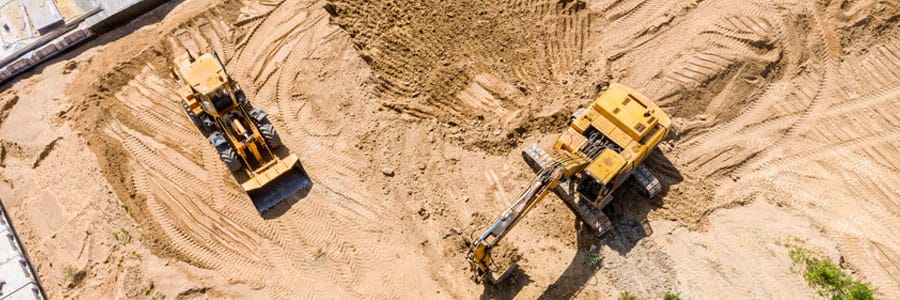
Creating a proper Erosion and Sediment Control or ESC plan must comply with the Section 16(1) of the Calgary Drainage Bylaws. The plan must include what measures are to be employed to prevent the erosion of soil. Plus...

Process for ESC Plan Submissions
Before starting site development within the city limits of Calgary, you will need to know which authority is in control. You can go to www.calgary.ca/PDA/ or phone 3-1-1 and refer to the city’s Planning & Development...
Design Considerations for Small Sites
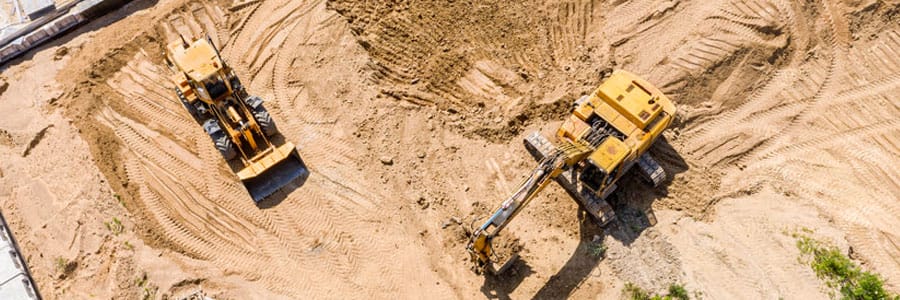
For construction projects that take place on sites smaller than 0.4 ha or one acre, including commercial, multi-family, and industrial sites, the design considerations will be different compared to such projects on la...

Erosion and Sediment Control Plan Design Considerations
For the qualified designer creating an Erosion and Sediment Control (ECS) plan, the first step is to consider the ESC practices in terms of the schedule being made. This means communicating with all parties involved t...

Erosion and Sediment Control Design Requirements and Considerations for Stormwater Low Impact Developments
As a function of their design, the storm drainage system must be protected from an influx of sedimentation. To measure this, a Low-Impact Development (LID) ESC methods are used which consist of the following. – All LI...
Erosion and Sediment Control Processes
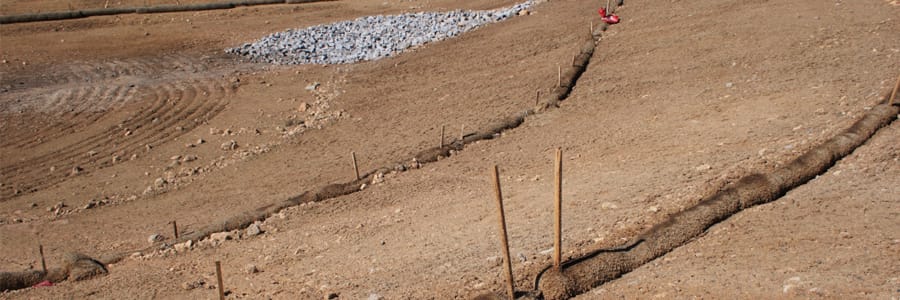
There are several reasons why reducing sediment losses from construction sites should be implimented. – Prevent sediments from entering storm drainage system – Prevent sediments from entering watercourses – Prevent lo...
Assessing Soil Erosion Potential
The goal is to limit soil erosion during the site development process. This means limiting soil loss to 2 tonnes per hectare per year or less. And look for innovation solutions to discharge less than that amount annua...