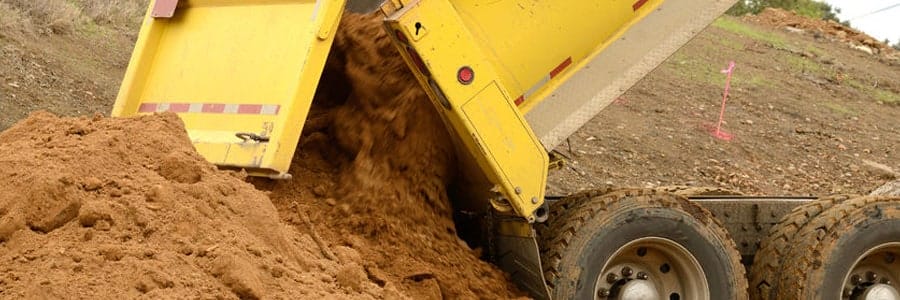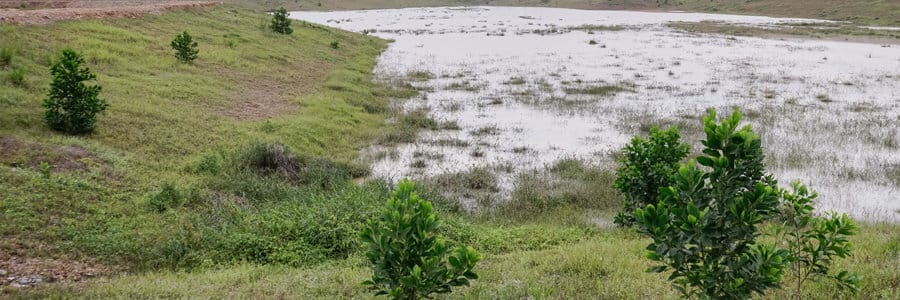
As part of your construction site, you will need to build traps and basins for sediments that have been created as part of the construction process. Such sediments need to be controlled so they do not become part of the water discharge resulting from precipitation or other cause. The size and storage volume of the traps or basins must be large enough to handle the sediments that have been generated. Failing to implement such erosion controls from the run-off contributes to the erodibility of the soil. Such controls must be implemented at the upstream area where the sediments first enter the potential run-off from the construction site. This is where they need to be constructed with other measures implemented as needed.
Construction
All traps and basins must be properly constructed to ensure that they catch sediments before they leave the construction site. This means that they must have the correct length and width ratio that meets recommended standards.
Plus, depending on their size and use, baffles may be included to promote the settling of the sediment and to reduce short cutting which otherwise might compromise the traps or basins.
Inspection
Once such traps and basins are completed, they will need to be frequently inspected and any accumulated sediment must be removed. By maintaining a regular schedule that include hourly, daily, or weekly inspections combined with inspections that occur after a precipitation event, you can adequately monitor the buildup of sediment in traps and basins.
Once one-third of the settling volume has been reached, the sediment must be removed from the basin or trap. The sediment must be disposed of in an area that is not subject to heavy water run-off.
Skimmer
You may want to install a skimmer device that controls the dewatering of the basin or trap. Such devices can be quite helpful when it comes to removing sediments while maintaining standards as set by the city.
Tag: Sediment, construction, erosion control, Sediment Control, esc plan, basins, inspections, skimmer, traps