Proper erosion control for land that is relatively level is difficult enough for those engaged in making considerable changes to the landscape, such as construction projects. The difficulty is raised for land that consists of uneven terrain, such as slopes or rolling countryside that needs additional protection.
One potential solution is hydroseeding, a process that allows for effective erosion control on land where standard measures are not as effective.
What is Hydroseeding?
Instead of using sod, hydroseeding uses a combination of seeds, fertilizer, and a bonding agent that is sprayed much like a slurry onto the bare land. Because the slurry can be held inside a tank, transporting it to the desired location is simple. Plus, applying the solution is easy because it can be sprayed onto the property and will stick even on steep surfaces.
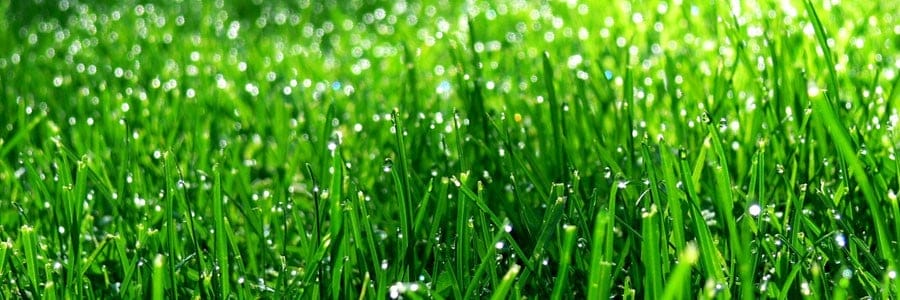
Once the substance is sprayed onto land that is bare, new grass starts growing quickly thanks to the combination of seed and fertilizer that helps accelerate the process. The land is soon covered in grass which means that it is less subject to erosion thanks to the roots that hold the soil in place. There are several advantages to using this system.
Benefits
The most obvious benefit is that the growth process is fast, up to 50% faster compared to several other conventional methods. The bonding compounds help hold the seeds and fertilizer in place, even during inclement weather, which means that new grass grows quickly.
Versatile: You can use traditional grass seeds or a mixture that includes native plant life, such as wildflowers if you so desire. You can even match the natural plant life of the area which makes the land blend in with its surroundings. Plus, if you need to protect the land quickly due to fire or other disaster, it can be applied without the seeds to keep the soil in place.
Efficient: Standard methods that use hay or straw to keep the seeds in place tend to blow away or get consumed by birds. The bonding agent keeps the seeds in place and birds do not consume nearly as many grass seeds.
Cost: Because hydroseeding does not use sod, it costs a fraction of the amount compared to conventional erosion control measures. Add to that hydroseeding is more effective in terms of bonding with soil on uneven terrain, even slopes, and you have one of the most cost-efficient methods of protecting the land available.
Hydroseeding is environmentally safe, non-toxic, and will not harm people, pets, or wildlife. It will also disappear over time and not leave any traces on the ground. For many, hydroseeding in the perfect solution to protecting land that is on slopes or uneven terrain in a cost-efficient manner.
If you are considering hydroseeding to control erosion on slopes or other uneven land, then AESC can help. Call today and contact the experts at AESC, who can answer your questions, provide guidance in the right techniques for erosion control, and offer hydroseeding as one of several options that may work best for your needs.
Tag: erosion control, Hydroseeding