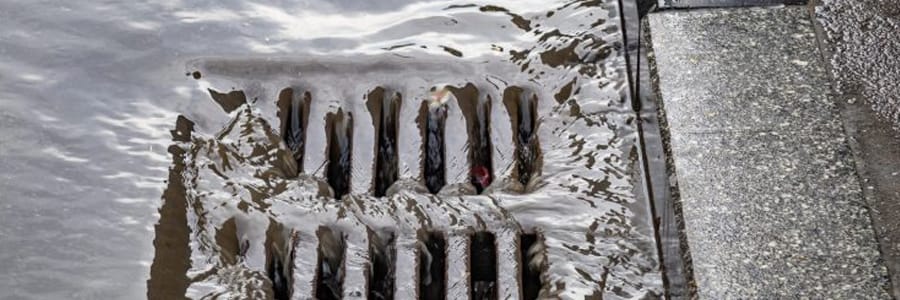
Stormwater management is the process of controlling how stormwater runoff is collected and treated. Stormwater runoff is water that accumulates on the ground during a rainstorm or snowmelt event. In developed areas, much of this water runs off the pavement and rooftops into storm drains, which discharge it directly into nearby streams, rivers, or lakes without any treatment. This can cause serious environmental problems.
The purpose of stormwater management is to reduce the number of pollutants discharged into waterways, while also preserving the natural hydrologic cycle. There are many different approaches to stormwater management, each with its own advantages and disadvantages. The most common methods include:
Pervious pavement
Pervious pavement is a type of pavement that allows water to pass through it. This can be accomplished by using porous asphalt or concrete, or by leaving spaces between pavers. Pervious pavement is an effective way to reduce stormwater runoff because it allows water to infiltrate back into the ground rather than running off into storm drains.
Green roofs
Green roofs are rooftops that are partially or completely covered in vegetation. Green roofs help reduce stormwater runoff by absorbing rainwater and holding it in the soil. They also provide other benefits such as improved energy efficiency and enhanced aesthetics.
Rain gardens
Rain gardens are shallow depressions that are planted with native plants that can tolerate wet conditions. They are designed to capture stormwater runoff and allow it to slowly infiltrate back into the ground. Rain gardens can be an effective way to reduce stormwater runoff, while also providing habitat for native wildlife.
Detention basins
Detention basins are large ponds that are designed to temporarily store stormwater runoff. The water is then released slowly back into the environment, typically through a pipe or channel. Detention basins are commonly used in areas where space is limited and infiltration is not possible.
Retention ponds
Retention ponds are similar to detention basins, but they are designed to hold water permanently. Retention ponds are often used in agricultural and rural areas for irrigation or livestock watering. They can also provide habitat for fish and other aquatic wildlife.
Infiltration trenches
Infiltration trenches are long, narrow depressions that are filled with gravel or other porous material. They are designed to allow stormwater to slowly infiltrate back into the ground. Infiltration trenches can be an effective way to reduce stormwater runoff, but they require a lot of space.
Conclusion
As we have seen, stormwater management is a vital component of keeping our environment healthy and safe. It is also necessary for the proper functioning of our communities and economy. In this article, we’ve looked at some of the different ways stormwater can be managed, from small-scale solutions to large-scale projects.
We’ve also explored some of the challenges involved in managing stormwater and discussed possible solutions. It is clear that there are many factors to consider when planning a stormwater management strategy and no one-size-fits-all solution. With careful planning and execution, however, we can manage stormwater effectively and protect our environment for future generations.