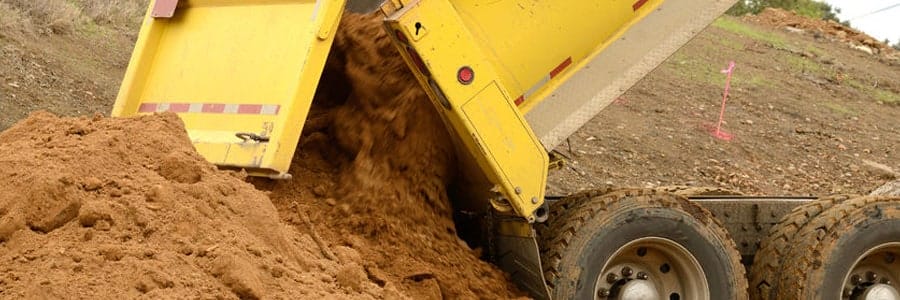
Controlling sediment and erosion on construction sites is important for a variety of reasons. Not only does it protect the surrounding environment, but it also helps to ensure the safety of workers and minimize costly damages. In order to achieve this, builders and contractors need to take a number of precautions during all phases of construction.
Minimizing Disturbed Areas
Minimizing disturbed areas on a construction site is important for controlling sediment and erosion. When an area is disturbed, it can cause soil to erode and lead to the loss of valuable topsoil. In addition, sediment can flow into waterways and pollute them.
There are several ways to minimize disturbed areas on a construction site. One way is to use mulch or hay bales to protect the soil from rain and wind. You can also use straw wattles or other erosion control devices to keep the soil in place. If you must disturb an area, try to do it as quickly as possible and then cover it with protective material.
Phasing Construction Activity
Another way to phase construction activity is by timing activities according to the weather conditions. For example, work could be done during the dry season when rain is less likely to cause erosion problems. This approach has the advantage of being easy to implement, but it can be less effective at controlling sediment and erosion than other methods.
Site Inspection
The site inspection is a critical step in controlling sediment and erosion on construction sites. By identifying potential sources of sediment and erosion, and taking steps to mitigate them, the inspector can help keep the worksite clean and safe. In addition, proper site inspections can help ensure that the project meets all relevant regulations governing sediment and erosion control.
Construction Entrances
Construction entrances play a critical role in controlling sediment and erosion on construction sites. By properly installing and maintaining these entrances, contractors can keep sediment from leaving the site and polluting local waterways. In addition, well-maintained entrances help to ensure that equipment and workers can enter and exit the site safely.
Dewatering and Sediment Traps
Sediment traps are simply devices that catch sediment before it can enter a waterway or drainage system. They come in a variety of shapes and sizes, but all work on the same basic principle: slowing down the flow of water so that sediment has time to settle out. This trapped sediment can then be removed regularly, preventing it from causing problems downstream.
Dewatering systems work in a similar way, except that they remove water instead of sediment. By removing excess water from the site, these systems reduce the amount of soil that can be carried away by rain or runoff. This not only helps keep workers safe and equipment in good condition, but it also speeds up the construction process by preventing delays caused by wet ground conditions.
Conclusion
Sediment on construction sites can lead to a variety of problems, including decreased worker safety, damage to equipment, and clogged waterways. In this article, we’ve outlined several ways that you can control sediment on your construction site. Implementing these best practices will help keep your workers safe and your project running smoothly.
Tag: