Proper biotechnical stabilization of the soil is made from woody plantings and material that has developed a heavy, deep matrix of roots into the soil. This increases the strength of the soil subsurface and stabilizes the area with systems of roots that are more durable compared to forbs and grasses.
Live Staking: This is the insertion of live vegetative cuttings that is tamped into the ground. The purpose is to allow the roots to hold and grow over time.
Brush Layering: The use of cuttings or branches of tree species that take root easily. They are layered between lifts of soil fill to build a reinforced embankment or slope.
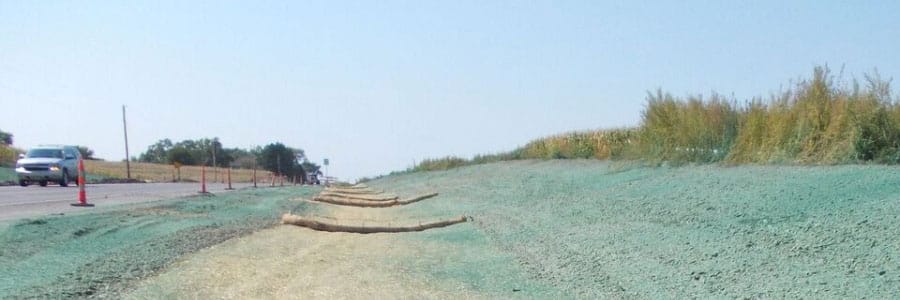
Wattles or Live Fascines: These are live branch cuttings, often from species of willows, that are bound together in long, rolled bundles that help stabilize stream banks and slopes.
These are permanent measures that are used along channels, stream banks, and slopes. They are designed to significantly reduce the erosion in the area in which they are placed.
Implementation
– Place the material during the late fall to early spring during the dormant time of the year
– Match the willow species, soil and site conditions, and growth form used for the stabilization to the soil that is already present. This will make it more likely to take hold
Wattles
The ideal material to use for the wattles consist of the following.
– Easily rooted
– Long, straight, and flexible materials
– Plentiful supply
Be sure to choose material that is best suited for the site. And confirm that more than enough is available before starting the process.
– Mix older and younger wood or suckers to provide the best combination of fast growth and strength. However, the majority of the wood used should be 1 to 4 years old
– Soak all cuttings for at least 24 hours
– Cuttings should be at least 1 m long. Straight branches should be 40 mm in diameter minimum
– Tie cuttings together into bundles. Tapered the ends to 2 to 10 m in length. Adjust for site conditions or limitations in handling and shipping to site.
– Completed bundles need to be 15 to 30 cm in diameter.
– Make sure growing tips and butt ends are in opposite directions
– Stagger cuttings in bundles so tips are evenly distributed throughout the waddle bundle
– Quickly install wattles in fresh trenches along slope contour
– Firmly stake wattles into place with construction stakes
The successful rooting of the wattles requires proper backfilling. Be sure to backfill wattles with soil from the trench or slope above. Afterwards, seed and mulch the slope to promote growth of vegetation.
Live Stake Harvesting
– Stakes should be harvested and planted during the dormant season for willows or the species that is chosen. This is before the buds can start to break.
– Choose healthy, live wood that is reasonably straight
– Best wood is 2 to 5 years old, has smooth bark, and not deeply furrowed
– Make clean cuts with unsplit ends. Trim branches as close to cutting as possible
Tag: Sediment Control, BMP, brush layering, erosions control, fascines, live staking