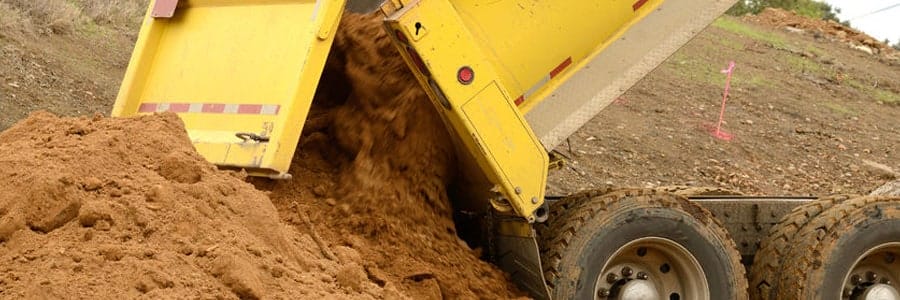
Effective hydromulching and hydroseeding are important methods used to help restore the natural state of the land that has been compromised due to construction. The heavy traffic combined with the tearing up of the soil means that considerable work will have to be performed to restore the area to its former state. Plus, it will need to be resistant to the erosive elements that may have changed due to the presence of a new structure.
What follows are the issues along with the solutions to hydromulching and hydroseeding to ensure that the land is properly restored.
Problems
Not Enough Mulch: Arguably one of the most common issues is the application coverage and rate of the mulch being used. Not employing the right coverage methods means that it may only provide cover from one type or one direction of erosion. In other words, the mulch might hold against the wind from one direction, but a storm that comes from another may remove the cover.
Not Enough Seed: Not using enough seed is another issue that is quite common in restoring the land. This is also true if not enough fertilizer or amendments are used as well. Proper coverage means using enough seed and providing the nutrients needed for the grass to take hold and grow.
Desiccation: If the seeds are not in full contact with the soil, they will most likely not take hold. While there will be seeds that are on top of other seeds or somehow not in contact with the soil, too many will mean bare spots that need to be addressed.
Not Enough Drying Time: If you apply the tackifiers before the proper drying time has elapsed, this may mean the coming rainfall will wash away much of the seeds.
Solutions
To avoid such issues, you will need to employ the following methods.
Watch out for the Rain: Before you apply the seeds, check the weather forecast. If there is a good chance of rain in the next few days, you may want to delay the seeding. This is because even with the best of erosion protection methods, a good rain will wash away many new seeds.
Spread the Seeds: Make sure the landscape contractor is using the right rage of seed, mulch, fertilizer, tackifiers, and plenty of amendments to ensure proper coverage. This means the area needs to be evaluated beforehand and then more than enough used to cover the area adequately.
Seed before Hydromulch: If you plan to hydromulch on rough soil, then add the seeds beforehand so they have a chance to take hold and then hydromulch. This will improve their chances of growing.
Maintenance: Set a schedule of maintenance that inspects the area after a storm or high winds. Plus, set a regular day each week to go over the area. This will allow you to catch bare spots early and reapply the seed. Plus, you can spot areas that tend to erode quicker than others and address them with more mulch or other barriers.
A little work can go a long way when employing hydromulching and hydroseeding to restore the land to its former natural state.
Tag: soil, Sediment, Erosion, Calgary, storm, Control, construction, Hydroseeding, natural, seed, yyc, land, seeding, contractor, desiccation, drying, edmonton, erode, hydromulching, mulch, property, weather, wind