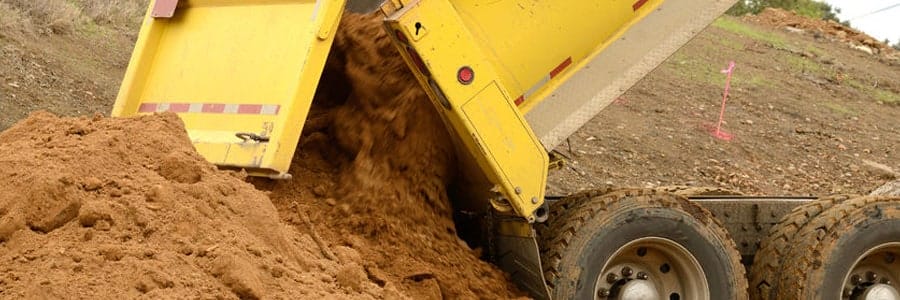
An energy dissipator is a structure placed in channels and pipe outlets that help reduce the velocity and energy of flowing water. By reducing its speed, energy dissipators also reduce erosion and the scour potential of the water.
Implementation
Before commencing work on creating energy dissipators, all required notifications must be made to regulatory agencies. The considerations for the design of the dissipators should include the following;
Design Potential: The energy dissipators need to accommodate runoff equivalent to a 10-year peak event or the design discharge for the channel, choosing which one is greater.
Riprap: Comprised of a well-graded mix of angular, dense, weather-resistant rocks that vary in size, the largest stones should be no greater than 1.5 times the d50 size.
Alignment & Grade: The dissipator apron should be at zero grade, evenly installed on the surface with no overfall. If a curve in the apron is needed for stream alignment, locate and place the curve on the upstream area where the riprap should be located.
Length of Dissipator: The length should be enough to significantly slow down the runoff. At least 4.5 times the diameter of the pipe itself or the outlet of the channel. However, the dissipator should be extended to where the surface is level. The dissipator apron should extend upstream at least 0.5 times the diameter of the pipe or channel to prevent back scour.
Width of Dissipator: It must be at least four times the diameter of the pipe or channel.
Thickness of Dissipator: At least 1.5 times the thickness of the largest rock in the riprap with a minimum of 0.3 thickness to control the corrosive energy.
Underlay: Heavy-duty, non-woven geotextile or well-graded gravel and sand at least 150 mm thick should be placed under the riprap dissipator to prevent erosion.
Construction
To prevent scour erosion, all water conveyances must be stabilized. Be sure to grade the area accordingly to its final design and elevation. Excavate the dissipators to the required grade and compact the sub-grade to the proper density of the surrounding material which has not been disturbed.
Install a sand or gravel filter or geotextile fabric underlay and place riprap on top according to the grading limits on the construction drawing. To prevent damage, hand-placing some, if not all the riprap may be required. All fabric joints should be overlapped to a minimum of 0.3 m.
Inspection & Maintenance
Periodic inspections after significant precipitation or snowmelt combined with monthly inspections will spot any damage quickly. Repair all damage as soon as possible. Unless otherwise specified, energy dissipators are considered permanent. If the voids in the riprap become filled with debris, the dissipators may need to be cleaned.
Tag: Sediment, Erosion, Control, runoff, riprap, water, channels, channel, underlay, apron, corrosive, dissipator, energy, flowing, grade, length, outlets, pipe, reduce, scour, thickness, upstream, velocity, work