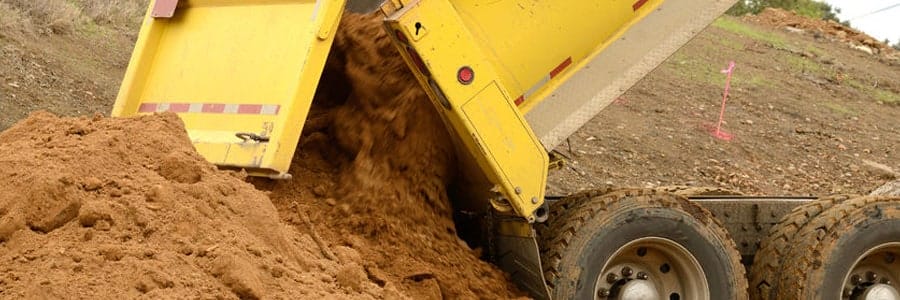
The goal of limiting soil erosion is an important one. This is because limiting the erosion process of soil helps to stabilize the ground. The ideal goal is to limit the loss of soil for all slopes to 2 tonnes per hectare annually or less. Along with finding effective means to keep that discharge from becoming problematic. Plus, to place controls for sediment loss as close to the erosion source as possible. To determine the amount of soil being lost due to erosion, the Revised Universal Soil Loss Equation for Application is Canada is used. This equation is also used to determine potential mitigation practices. Using this formula, the soil loss can be estimated based on factors specific to the soil environment. Once the estimates are made, An ESC system is then initiated to address the erosion.
Keep in mind that the annual loss of 2 tonnes per hectare for soil may be considerably less depending on the results that are desired. Plus, construction sites that use this formula may need to reassess the results during each phase. This means that for the ESC plans that are drawn up, a new calculation of erosion potential must be made. Such calculations are made with the following formula.
– A: Annual Soil Loss Due to the Erosive Process
– R: Climatic Location Erosivity Index
– K: Soil Erodibility based on Susceptibility to Erosion
– L: Topographical Factor Specific to Flow Path Length
– S: Topographical Factor Specific to Steepness of Flow Path
– C: Cover and Management
– P: Support Practices
As with any formula, the outcome will be determined by the accuracy of the information that is put in. Such limitations to the formula include the following.
– Verification of length for soils on slopes or inclines
– Estimation of soil erosion due to sheet or rills
– Based on overall soil erosion due to typical storms
In other words, high-intensity rainfalls are not included in the formula. Plus, the formula cannot be used for gully or channel erosive processes. The climate or R-value is derived from the erosive processes of rainfall from an individual storm. This measures the impact of rainfall along with the flow that is generated across the soil. The intensity and amount to rainfall will determine the erosive potential. The erodibility factor of the soil is also determined in the formula. The more susceptible the soil is to erosion, the less its resistance to erosive elements such as rainfall. This includes the soil permeability, texture, and structure. The lower the erodibility or K-value as it is called, the more resistant the soil is to the erosive process. Of the different factors involved, the structure of the soil is the most important. The texture can be determined by examining the soil itself for the following features. – Silt – Sand Grains > 0.10mm – Fine Sand Grains < 0.10mm – Organic Matter
The combination of the K-value, permeability, and structure of the soil can be used to determine the overall susceptibility to erosion.