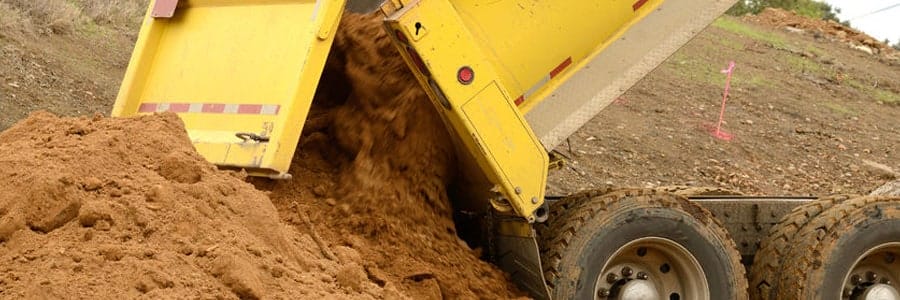
The city of Calgary is subject to provincial and federal regulations when it comes to the protection of the environment. This applies to construction sites and the potential harm they may cause due to erosion and the creation of unwanted sediment. This falls under the auspices of the Environmental Protection and Enhancement Act (EPEA).
What is EPEA?
Established by the Canadian government, the EPEA is designed to protect the environment through the enforcement of specific regulations. For example, under the EPEA, it is illegal to release or permit the release of substances in greater volume that allowed by the regulations. This includes the amount, the rate of release, and the concentration of the substance being released into the environment.
The act not only governs the substances being released, it also has a reporting function that allows for individuals to cite instances when substances were introduced into the environment above and beyond the amount or rates as stated in the EPEA regulations.
Water Regulations
Under the Alberta Water Act, the focus is to protect the water under a series of regulations governing the introduction of unwanted substances. This means that sources of water such as rivers, lakes, and the like are protected from the introduction of unwanted substances. The Water Act also precludes the alteration of level, flow, and location of the water due to flooding, erosion control, ice jams, and more.
This also applies to adding infrastructure, such as a building, that redirects the flow or channels the water. To place, build, operate, maintain, or remove such a structure must be approved before such actions can proceed. This is because such actions which disturb the ground may introduce unwanted materials to the natural water flow itself. The result may be additional erosion or buildup of sediment that alters the environment in unwanted ways.
Codes and Practices
Within the Act are several codes and practices which include but are not limited to the following.
- Code of Practice for Watercourse Crossings
- Code of Practice for Pipelines and Telecommunication Lines Crossing a Water Body
- Code of Practice for Outfall Structures
The codes are designed to both prevent and control erosion while regulating the buildup of sedimentation due to the implementation, construction, renovation, maintenance, or removal of a structure. All requirements are found in the codes themselves when covering the erosive elements that may be caused by such activities.
Wastewater Regulation
As part of the EPEA, the Wastewater and Storm Drainage Regulation Act covers both public and privately owned wastewater and storm drainage systems. The gist of the act covers substances that are prevented from being introduced into such systems which contaminates the environment. In other words, storm drainage and wastewater disposal should be exactly as described in the act itself. To introduce other substances into the water that is being disposed which is not covered by the regulations is illegal.
In addition, the regulations cover the treatment of wastewater that includes the generation of sludges or gasses that might result from the process. With proper erosion and sediment control, both water sources and wastewater are protected from the unnecessary introduction of unwanted elements.
Tag: Calgary, alberta, act, codes, epea, federal, government, practices, provincial, regulations, water