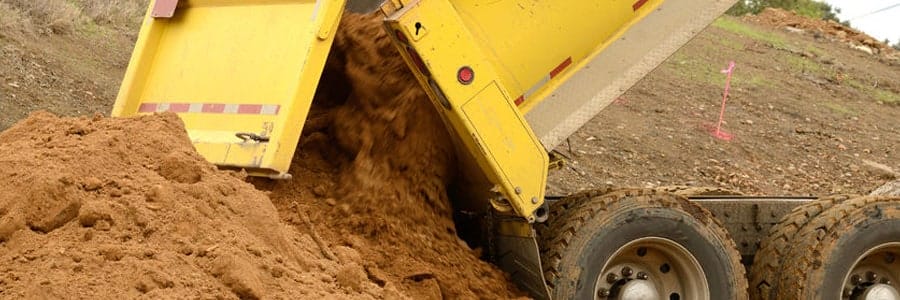
This is the preservation of the existing vegetation and topsoil of a site. The topsoil is considered the surface horizon of the profile of the soil, which means it’s darker because of the additional organic matter present. Topsoil is vital to the development of roots as it provides water and nutrients to the plants.
The official definition of topsoil from Calgary Parks is as follows; “a fertile, friable, natural loam, containing not less than 4% organic matter for clay loams and not less than 2% matter for sandy loams to a maximum of 15%”
In addition, the topsoil should be free of large rocks, roots, weeds, and subsoil contamination. The pH should register from 7.0 to 8.5 and for restoration of natural areas, which include environmental reserves, the native soils should be used. For the most part, topsoil can be gathered from other locations or preserved from the site itself until it can be placed back on the surface once the work has been completed.
Implementation
You will need to check all run-off control structures to ensure they are in place before the soil is stripped. Plus, you’ll want to reduce any contamination of the topsoil or subsoil to a minimum. This means that the soil need to be free of any garbage, rocks, roots, stumps, weeds, and debris, so it can support the healthy growth of plants.
You will need to check the topsoil for any contrasting texture, such as not placing sandy topsoil over claying subsoil which may cause major issues. It is also recommended that the topsoil is layered into the subsoil to at least 150mm for better water infiltration and bonding.
Stockpiling: This begins with the determination of what type of soil is ideal as a replacement. It should start with the native soil, but if that is not possible, then using topsoil that matches the subsoil should be selected. A soil survey and geotechnical information should be used in the determination. Plus, the stockpiles should be separated into smaller amounts and placed strategically for faster replacement.
Covering all stockpiled topsoil that has been sitting for at least 7 days is recommended to reduce contamination. If the soil has been sitting for more than 30 days, then adding vegetation is recommended.
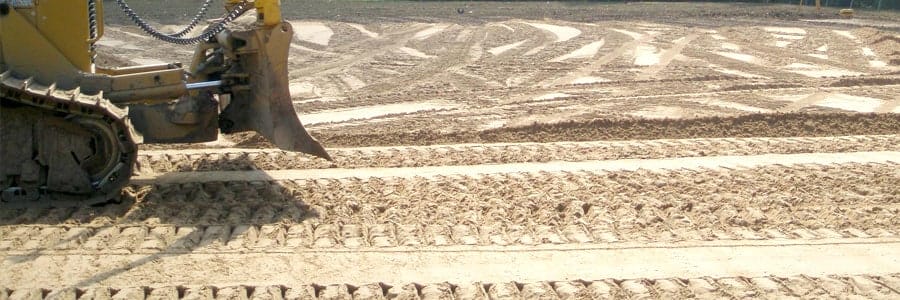
Placement: The ground should be prepared first by removing all debris and large rocks, loosening the soil to a depth of at least 75mm or 200mm if compaction exceeds 95% standard proctor. Uniform distribution is recommended, and a light track or dozer is recommended to do the job. The soil should be loose and dry, not muddy or frozen.
Any seeding must be done right after the soil has been placed. The topsoil should be regularly watered until vegetation takes hold.
Inspection & Maintenance
Before the area is fully stabilized, it is recommended that the topsoil be inspected at least once per week and within 24 hours of a hard rainfall or fast snowmelt. Any areas that have been washed out should be re-graded and new topsoil added and seeded immediately. The more often the inspections, the easier it is to solve issues before they become major problems.
Channel
Tag: construction, erosion control, Sediment Control, BMP’s, roughening, slop texturing, surface grading, scheduling construction