Proper check dams prevent erosion by slowing down the runoff of water in a channel. This is not sediment control, but when properly maintained can temporarily detain runoff and help settle coarse sediment.
- Sandbags
- Compost Filter Socks
- Straw Wattles
- Triangular Silt Dike
- Proper Rocks & More
Whatever the material used, it must be applied, installed, inspected, and maintained according to the recommended construction guidelines for check dams.
Implementation
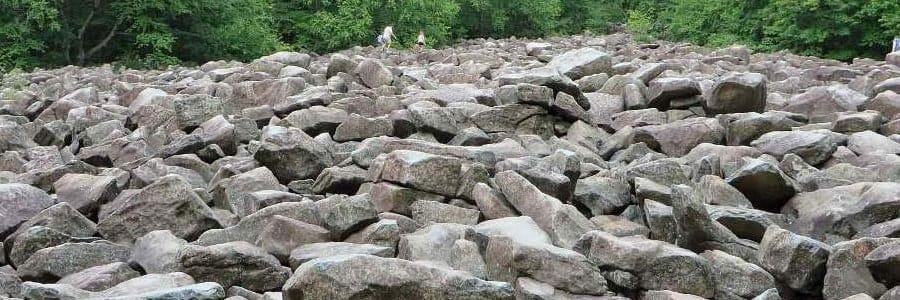
Rock Check Dams: Consisting of clean, well-graded, and free-draining aggregate, the rocks must be large enough to stay in place during the worst of flow conditions. A mixture of different size rocks are recommended with the range being from 75 mm up to 150 mm. If higher flows are expected, the larger rocks should be used as determined by a qualified professional.
When creating a series of check dams, you need to ensure that the spacing and height between each dam is enough to reduce the velocity of the runoff. The bottom of the upstream check dam should be the same elevation as the top centre of the downstream check dam. Perpendicular to the flow, a trench will need to be excavated to at least 0.15 m. Line it with non-woven geotextile fabric and hand-place rocks on top, so it stays in place.
Using machine and hand-placed rocks, create a structure that exceeds the minimum of 450 mm beyond the tops of the channel banks. The dam centre or flow-line should be at least 300 mm below the elevation of the edges of the dam. Water should flow over the dams, not around them.
To avoid large volumes of water running off, the height of the dams should be less than 0.8 m. Space the dams so the top elevation of each on is the same as the toe of the adjacent upstream dam. Place erosion controls downstream of the dams and ensure that the channel reach and upstream areas are stabilized.
Permeable Barriers Made from Synthetic Materials
Porous, synthetic barriers that are triangular low profile or double panel can be used to dissipate water runoff and slow velocity. Made from lightweight, durable synthetic materials panels are patented designs that are reusable. You can also choose barriers crafted from biodegradable materials as well. Barriers made from synthetic materials will help settle some coarse sediment, provide temporary stabilization, and assist with the establishment of vegetation when lowering the flow of water energy. Use the manufacturer’s instructions when installing such barriers.
Used in conjunction with RECP, that provides intimate ground contact between the base of the barrier and the soil, it reduces the potential undermining effect and creates a splash pad just downstream of the barrier. The side panels need to be high enough on the outside to prevent freeboard of channel flow. Plus, the bottom elevation of the upstream barrier should be the same height as the top of the downstream barrier. Using pins or what the manufacturer recommends, the barriers need to be well anchored.
Inspection & Maintenance
Before permanent stabilization, except during a freeze, inspect all drainage channels and check dams weekly and after significant precipitation or snowmelt that might cause erosion. All damage should be repaired immediately. If significant erosion is occurring between the dams, provide additional protection in the form of RECP, riprap lining, or more check dams.
When the sediment buildup reaches at least 1/3rd the height of the centre elevation, remove it from the channel. This prevents damage to the vegetation and maintains the structural integrity of the check dams. You may need to add or remove rocks from rock check dams as needed to maintain their proper flow, height, and cross section. Use heavier aggregate to replace aggregate that has been dislodged. Remember to be careful in removing sediment so as not to damage the check dams themselves.
Tag: Sediment, Erosion, Control, runoff, water, channel, compost, aggregate, barriers, check dam, elevation, excavated, inspect, install, maintain, permeable, sandbags, straw, volume