On construction sites, one of the most important methods to assist in the restoration of grass in the area is proper mulching. Mulching is one of the oldest and most effective means of providing the soil and grass seed with enough nutrition to ensure proper regrowth. However, mulching must be properly performed if the grass is going to take hold again.
Mulch offers the advantages of providing much-needed nutrients along with protection of the grass seeds from the elements so they can take hold in the soil. For construction sites
Common Issues
What follows are the most common issues associated with proper seeding.
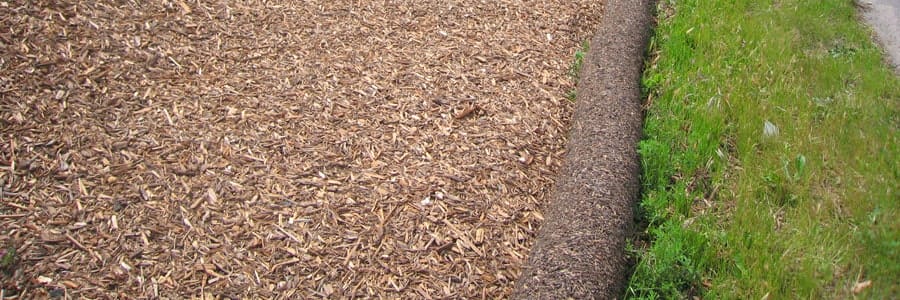
Not Enough Mulch: Insufficient mulch is one of the most common issues of not properly protecting the soil. The mulch needs to be thick enough to resist being blown away while not be so thick that it suffocates the seeds on the ground.
Failing to Tack: Even thick bands of mulch can blow away in the wind if not properly tacked down. Crimping or tacking the mulch is necessary for it to survive long enough to allow the grass seeds below to take hold. Remember that all it takes is one storm with plenty of wind and rain to remove mulch that has not been crimped into place.
Mouldy Straw: Straw is a common mulching material, but if it is wet then it can become mouldy which may hamper the ability of the grass underneath to grow. In Calgary, wet or mouldy straw is not permitted to be used, so ensure that the straw is properly dried if it is available.
Use of Hay: Unfortunately, this is a common mistake as hay is a type of grass that is used as mulching material. However, hay should not be used as it contains seeds of hay and not common grass. This means that the landscape will have weeds in the form of hay that will need to be removed.
Solutions
Addressing the issues starts with the proper inspection of the mulch that is used. It must be thick enough and crimped to stay in place.
Proper Coverage: You should work with the landscape contractor to ensure that enough mulch covers the area properly. This means going over the details before the process begins and inspecting after it is completed. Be sure that the entire area is covered with enough mulch and that is has been crimped to stay in place. You can discuss options with the contractor to see which methods work best.
Replacing Mulch: Even with proper crimping and tacking, some of the mulch will probably be swept away. This means that you will need to replace the mulch and seeds after each storm of high gust of wind that removes what is there. Be sure that the new application of mulch is properly crimped, so that it can remain in place.
It takes some effort to ensure the proper coverage of mulch, so you will need to be diligent. However, with enough thickness and proper tacking, you can protect the grass seeds under the mulch until they take hold in the soil.
Tag: soil, erosion control, Sediment Control, grass, calgary construction, Mulching, nutrients, protection, regrowth, restoration, seeds